


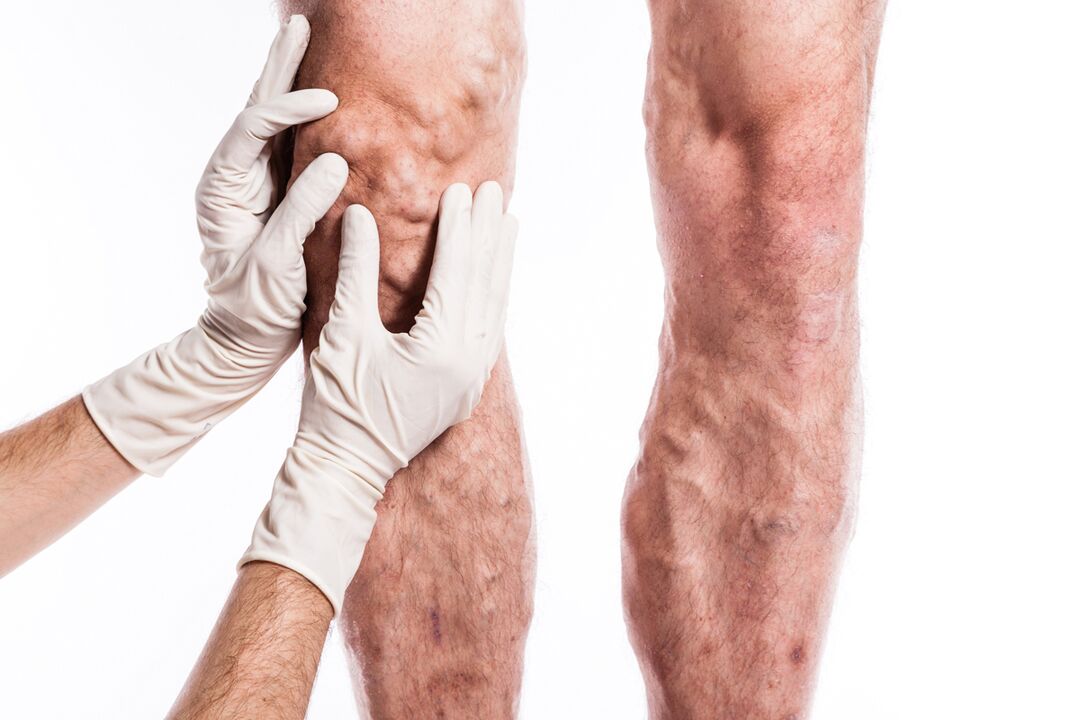
Varicose veins in the legs are a serious pathology that occurs as a result of rupture of venous valves.There is a disturbance in the physiological balance between muscle cells, elastin and collagen fibers in the vessel walls, resulting in the dilation of veins and the formation of nodules.Most often, the pathology manifests itself in the legs.Without timely treatment, the veins become deformed, trophic ulcers develop and blood clots form, which can cause serious complications and even death.
What causes venous disease of the lower extremities
Varicose veins are diseases with gradual development and constant progression, the causes of which are most often:
- heredity associated with a genetic defect;
- obesity and overweight, which increase the load on the vascular system;
- lifestyle and area of activity: prolonged physical activity, standing or, conversely, sedentary work, frequent wearing of very narrow and tight clothing, high-heeled shoes, bad habits, unbalanced diet;
- changes and imbalance in hormonal levels, for example during pregnancy.
What are the symptoms of varicose veins
There are 6 stages of varicose veins, each of which is characterized by certain symptoms:
- stage 0 – heaviness and pain in the legs, slight swelling, night cramps, but without external manifestations;
- stage 1 – subtle appearance of spider veins or spider veins;
- stage 2 – enlargement of the veins and the appearance of nodules, which become especially noticeable after sitting or walking for a long time;
- stage 3 – noticeable swelling in the legs is added;
- stage 4 – trophic changes occur in the limbs: abnormal skin pigmentation, development of skin inflammation;
- stage 5 – formation of trophic ulcers;
- stage 6 – appearance of trophic ulcers that do not heal.
The early stages of varicose veins are difficult to diagnose due to symptoms similar to other diseases.But, thanks to advanced diagnostic methods used in clinics, it is possible to identify the pathology and establish a diagnosis accurately.
Methods for diagnosing and treating varicose veins
Accurate diagnosis is the key to effective treatment!To identify varicose veins and determine the stage of the disease, Doppler ultrasound is used - a highly informative method that allows you to assess blood flow in arterial and venous beds, making an accurate diagnosis.
Varicose veins are treated with conservative, injectable or surgical methods.The first is carried out in the early stages of the disease and aims to reduce the intensity of symptoms and improve well-being.Unfortunately, this method is not able to eliminate the cause and consequences of the disease.The main methods of this therapy include:
- physiotherapy;
- compression therapy - use of elastic bandages and special compression garments;
- pharmacotherapy - use of venotonics and anti-inflammatory drugs that can increase the tone of the venous walls, improve blood flow and eliminate inflammatory processes.
An effective method of treating varicose veins in advanced cases is surgery - removal of a section of the affected veins - venectomy and phlebectomy.Using such treatment methods, it is possible to eliminate the defect, as well as eliminate blood backflow and normalize blood flow.
To treat varicose veins, minimally invasive methods are actively used, which have many advantages compared to other methods:
- safety and efficacy;
- perform manipulations on an outpatient basis, without the need for hospitalization and the use of general anesthesia;
- the procedure takes place without incisions or scars;
- quick recovery;
- After the operation, the patient can immediately return to their normal lifestyle.
The following types of minimally invasive treatments for varicose veins are available:
- sclerotherapy - a special substance is injected by injection to glue the walls of the pathological vein.Manipulations are carried out under the control of ultrasonic equipment and are effective in combating varicose veins;
- Laser coagulation is a progressive alternative to surgical treatment.The technique is based on the thermal effect of a laser beam on the internal walls of the veins, resulting in the closure of the venous vessels with an excellent aesthetic effect;
- miniphlebectomy – removal of varicose veins and veins through small punctures in the skin with a special scalpel, needle and hook;
- Closing veins with biological glue - gluing the lumen of a vein affected by varicose veins with a special glue.
Attention: each method has certain indications and contraindications, which can be consulted during the consultation.A vascular surgeon will help you choose the most suitable treatment method after a careful study of your medical history and a detailed diagnosis.
Varicose vein prevention
Timely prevention can prevent the appearance of varicose veins, which is especially important for people at risk.
The main preventive measures are regular visits to a phlebologist, as well as the exclusion of negative factors that are the causes of pathology - by following simple recommendations, you can prevent the disease.Keeping your feet beautiful and healthy is easy if you follow a few tips:
- choose wisely when choosing footwear and give preference to comfortable models without high heels;
- get rid of extra pounds and monitor your weight;
- wear comfortable clothing that does not restrict movement;
- move more: walk, swim;
- avoid prolonged physical activity on the legs and do not lift heavy objects;
- limit visits to saunas and baths, taking hot baths;
- use compression garments (for high-risk people);
- perform special gymnastics and massage;
- eat properly and balanced;
- get rid of bad habits.
Learn more about varicose veins, treatment and prevention methods during a consultation with a phlebologist.